


Hand-Struck Bronze Meditation Bells vs. Wind-Rung Porch Chimes
Choose bronze Tingsha cymbals when you want one clear, hand-struck note to open or close indoor meditation. For a porch, choose a wind-rung tube chime instead. Woodstock’s Tibetan Prayer Chime suits a dry, sheltered nook if you love a light, bright voice, while a 32- to 36-inch thick-walled anodized aluminum chime ($67.95 to $89.95) with a two-sided engraved sail gives a deeper, slower voice that lasts for years under a porch roof. PersonalizedChimes.com makes custom-engraved aluminum, bamboo, and crystal suncatcher chimes rather than Tingsha cymbals or monastery imports, so our store links point to our own porch collections.
Skip hanging meditation bells outdoors if you plan to hang Tingsha cymbals on a tree branch expecting the wind to ring them (heavy bronze discs on a leather strap have no wind sail and stay silent), or if a neighbor’s bedroom sits within 15 to 25 feet and you will not mute a metal chime on windy nights.
Himalayan Bells vs. Meditation Wind Chimes: Side-by-Side Comparison
The real dividing line is simple: some pieces ring only when a hand strikes them, others need a breeze, and that single difference decides whether they belong on an altar or out on a patio.
Maybe you heard one bright bell close a yoga class or a retreat meditation, and you want that same calm at home. Search for Tibetan wind chimes online and four very different objects show up side by side: bronze meditation cymbals on leather cords, carved hand bells, rustic Nepalese yak bells, and multi-tube aluminum porch chimes. Listings rarely tell you which ones actually move in a breeze.
Those four pieces belong to separate branches in the broader history of wind chimes across Asia and beyond. Hold cast-bronze Tingsha cymbals in your palms and you feel dense metal made for a single deliberate strike beside a cushion. Hang a six-tube porch chime with a wide wind sail beneath an eave, and a gentle 5- to 8-mph breeze sets the wood striker swinging on its own.
| Instrument or Chime | How It Sounds | Wind-Activated? | Outdoor Weather Care | Typical US Price & Space |
|---|---|---|---|---|
| Monastery Bronze Eave & Yak Bells | Rustic, single-note clank or bright ring | Yes, in strong open gusts | Bronze darkens and patinates; iron clappers can rust | Artisan import pricing varies; covered eaves |
| Tibetan Tingsha Cymbals (2.5″ to 4″) | Clear, high ring that lingers in still air | No, the two discs are struck together by hand | Indoor meditation room or dry shelf only | Modest meditation-shop pricing; indoor use |
| Ritual Ghanta (Drilbu) Hand Bell | Clear, bright bell tone rung by hand | No, held and rung during indoor practice | Keep dry indoors to protect cast bronze detail | Artisan import pricing varies; indoor altar |
| Woodstock Tibetan Prayer Chime | Light, bright five-tone melody from short tubes | Yes, light breezes via a removable windcatcher | Ash wood parts last longest under cover | Check the retailer for current pricing; sheltered nook |
| Engraved 6-Tube Porch Chimes (28″ to 36″) | Warm, rounded voice from thick aluminum and a wood striker | Yes, gentle everyday porch breezes | Tubes handle every season; wood top and striker last longest under a porch roof | $52.95 to $89.95 (free US shipping $85+) |
Matching the right piece to your home comes down to where you sit and listen:
- Intentional indoor stillness: Hand-cast Tingsha cymbals and Ghanta bells give you full control indoors, marking your breath with one strike and leaving the room quiet afterward.
- Compact balcony melody: On a sheltered balcony, the Woodstock Tibetan Prayer Chime offers a light, delicate melody built around a five-tone motif.
- Silent without a wind sail: Tingsha cymbals and Ghanta bells stay silent on a garden hook because heavy bronze discs need a hand strike.
- High pitch and wood care: Short tube chimes ring in a high, bright register rather than a low hum, and real wood tops left in direct rain tend to turn gray or start peeling within a year or two.
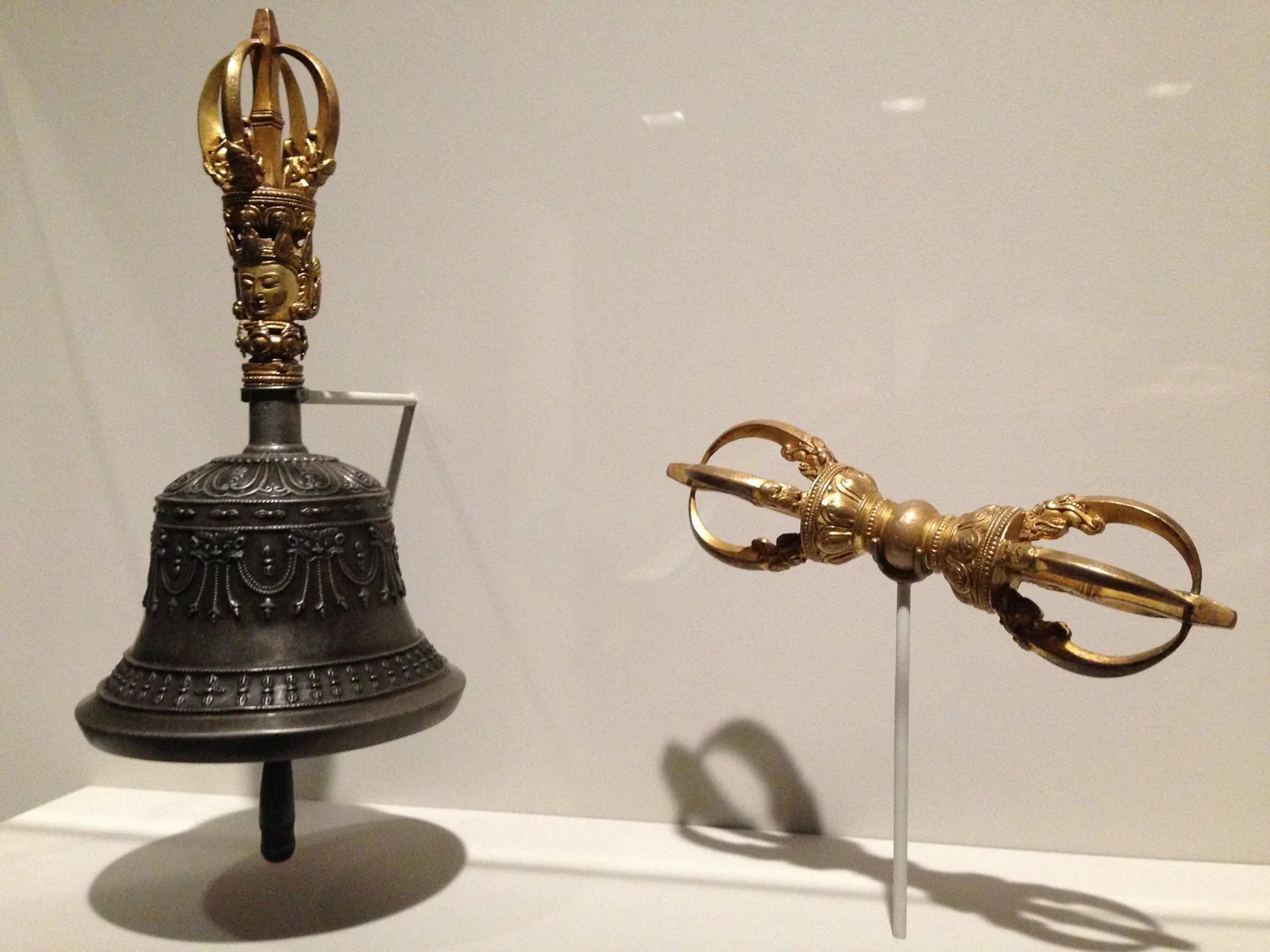
Three Sacred Himalayan Sound Traditions Often Called Tibetan Chimes
Three distinct Himalayan metal traditions often share one label online: monastery eave bells, hand-struck Tingsha cymbals, and ritual Ghanta altar bells.
Import shops often group every bell from Nepal, northern India, and Tibet under one search tag. Telling the three apart helps you respect their cultural role and choose the right piece for your space.
High-Altitude Monastery Eave Bells and Rustic Yak Bells
Walk beneath the timber eaves of a Himalayan monastery and you may spot single bronze bells hanging at the roof corners, ringing whenever mountain wind sweeps across the courtyard.
Along high pasture trails, forged iron and brass yak bells carry a similar earthy ring, though they follow moving herds rather than marking sacred space. The corner-bell custom belongs to the same wide family of Buddhist temple-eave bells as ancient Chinese pagoda fengling bells and traditional Japanese temple futaku and summer furin. Each of these is a single cast bell with one hanging tongue, a very different instrument from a cluster of porch tubes.
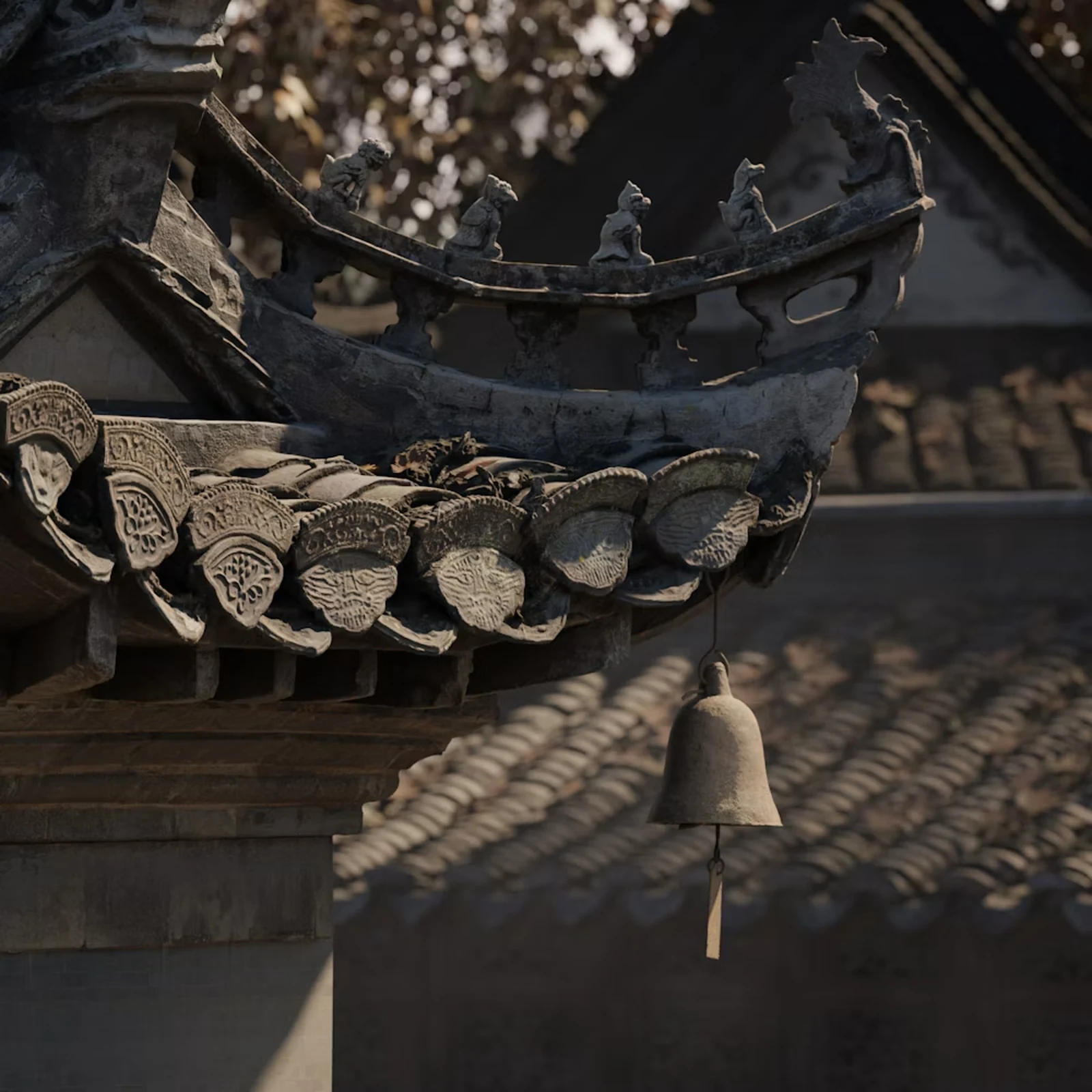
Bronze Tingsha Meditation Cymbals and Ritual Ghanta Hand Bells
According to Wikipedia’s overview of Tingsha, which draws on scholar Robert Beer’s book on Tibetan ting-sha, Tingsha are small cymbals about 2.5 to 4 inches (6.5 to 10 centimeters) across, joined by a leather strap or chain. Antique pairs were cast from special bronze alloys valued for their layered overtones.
To play Tingsha, let both discs hang from the strap and tap their edges together at a slight angle. One clean strike sends out a high, clear tone that fades into stillness, often used to open or close meditation.
The hand bell called Ghanta in Sanskrit and Drilbu in Tibetan is held in the left hand during ritual to represent wisdom, paired with a vajra in the right hand for compassion. It belongs on an altar or in a practice room, never out in the rain.
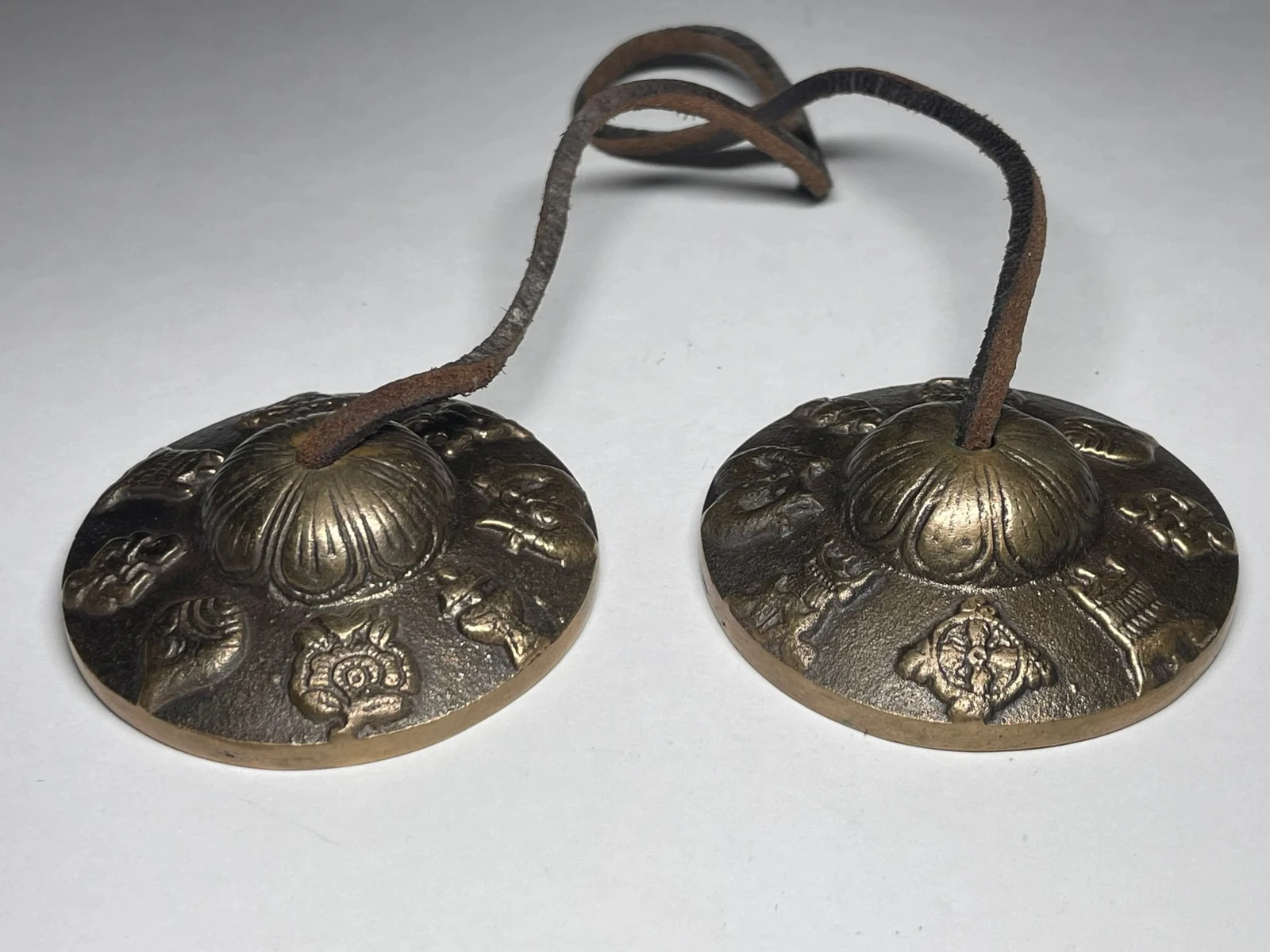
The Lungta (Wind Horse) Tradition: Letting the Breeze Carry Peaceful Wishes
Himalayan Lungta (“wind horse”) prayer flags trust the passing breeze to spread goodwill and compassion, an idea that translates gently to a few kind words on a porch wind sail.
Many homeowners look up Tibetan wind chimes because they love how Himalayan tradition treats the wind itself as a carrier of goodwill. Along mountain ridges and courtyard roofs, rectangular cloths called Lung ta, meaning “wind horse,” flutter in sets of five colors: blue, white, red, green, and yellow.
As Wikipedia’s guide to Tibetan prayer flags explains, the flags do not carry petitions to gods. Traditional belief holds that wind passing over the printed prayers spreads goodwill and compassion into the surrounding space. The same tradition asks that the flags be treated with respect: kept off the ground, never used on clothing, and burned rather than thrown away once they fade.
A backyard wind chime is not a sacred temple object, and keeping that boundary clear shows real respect. Still, the everyday heart of the wind-horse custom fits naturally on a quiet porch: placing a few kind words where the afternoon breeze can stir them. If an HOA rule or a close neighbor makes outdoor sound tricky, hang a crystal prism suncatcher wind chime ($52.95 to $59.95) from a small screw hook set into a sunny window frame, never a suction cup, so rainbows and soft motion mark the afternoon in silence.

Bright Bronze Ring vs. Mellow Porch Chimes: Choosing a Calm Sound
Small bronze discs and short tube chimes ring in a bright upper register that suits a single mindful strike indoors, while 32- to 36-inch thick-walled tubes keep an outdoor porch calm for hours.
A crisp high note feels refreshing when you strike it once in a silent room. Outside a bedroom or kitchen window, that same bright pitch can wear on your ears when gusts keep ringing it in an uneven, stop-start rhythm, especially at 2 AM.
A well-known porch chime sold under the Tibetan name is the Woodstock Tibetan Prayer Chime. Its five bronze-colored aluminum tubes are tuned to a five-tone motif from a work by Japanese composer Toru Takemitsu, and they hang from cherry-finished ash wood with a removable windcatcher. Because the tubes are short, its voice stays light and bright, a lovely fit for a sheltered meditation nook. Like any chime with real wood parts, it lasts longest under a roof and out of driving rain.
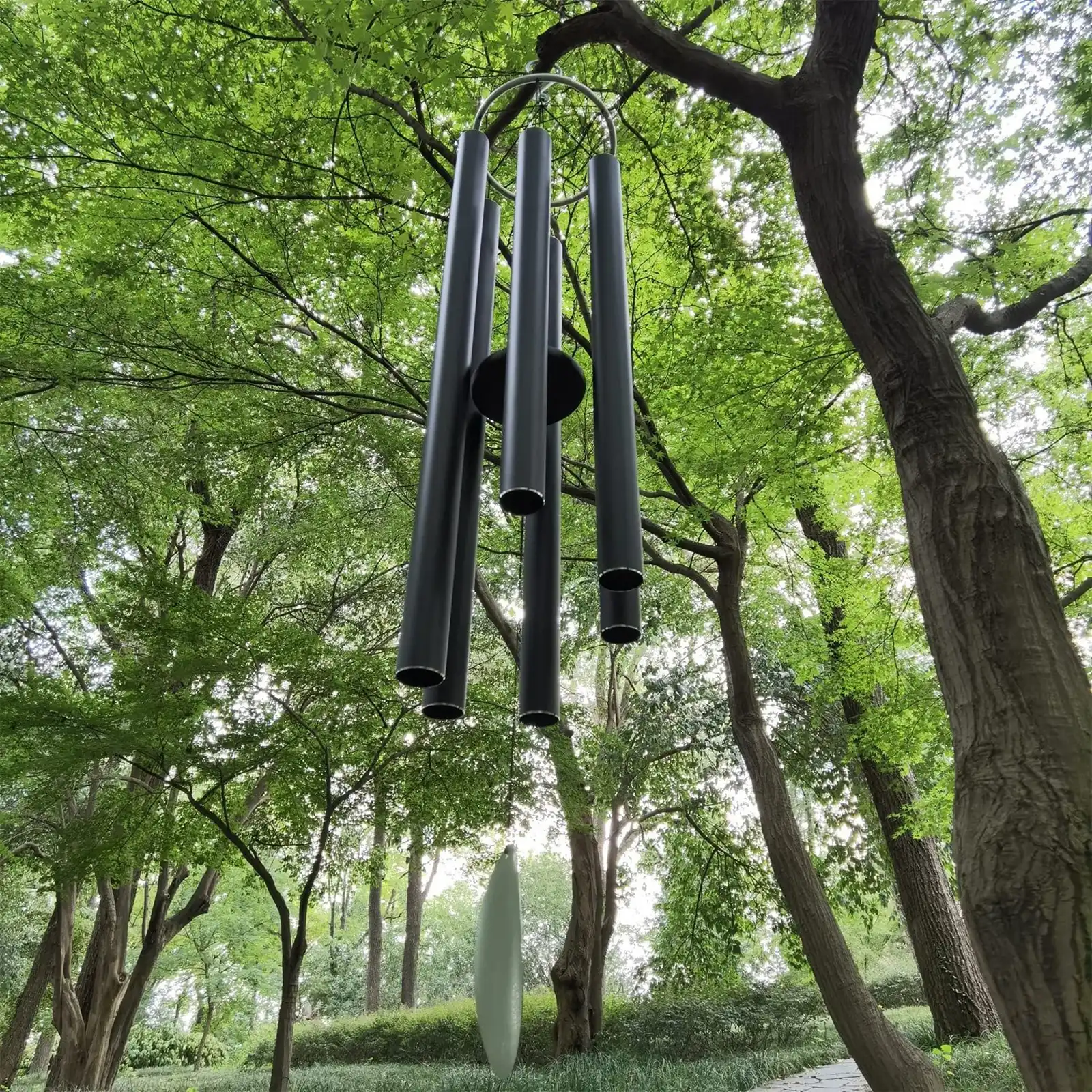
If you want a slower, warmer voice for evening tea, step up to a 32-inch (~1.72 pounds, $67.95 to $72.95) or 36-inch (~2.36 pounds, $84.95 to $89.95) six-tube anodized aluminum chime. The 36-inch size has a reassuring heft in your hands, yet one person can still lift it onto a porch hook. For a wide garden, our deep-tone church-bell chime (36 or 44 inches, $84.95 to $99.95) carries further, but the 44-inch size needs a load-rated beam hook or sturdy stand and 18 to 24 inches of clearance from any wall.
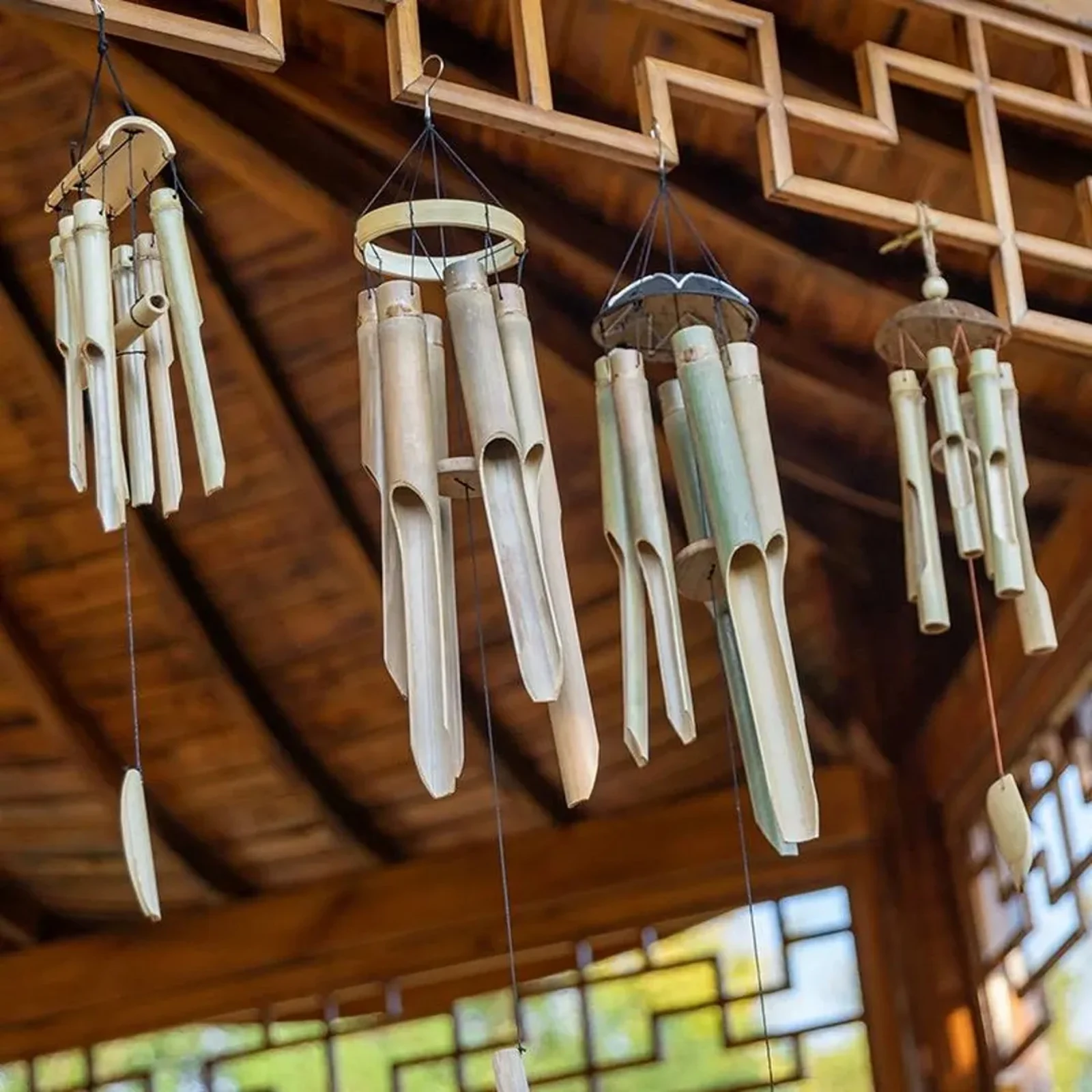
Under a covered eave, a 30-inch kiln-dried bamboo chime ($55.95 to $57.95) gives a soft woody tap that ends in under a second. Our aluminum chimes are not sold as Tibetan-scale instruments or medical sound-healing tools. Thick tube walls and a rounded hardwood striker simply keep every note warm and unhurried, and you can play the studio audio preview on each product page before you order.
Real wood tops, strikers, and bamboo tubes stay handsome far longer beneath a covered porch eave, out of driving rain. If a neighbor’s bedroom sits within 15 to 25 feet, hang metal chimes behind a porch post to soften gusty crosswinds, and wrap the center cord once around the tubes before stormy nights for a five-second mute.
Six Short Mindful Blessings for an Engraved Wind Sail
Two or three short lines keep an engraved blessing open and easy to read from a porch chair 3 to 5 feet away.
Packing six or eight lines onto a swaying 4- to 7-inch wind sail shrinks every word until guests have to squint up close. If you have stared at the blank engraving box wondering whether a Buddhist phrase is yours to borrow, a short line in your own words about breath, wind, and kindness is the respectful choice. These six suit both secular mindfulness corners and contemplative gardens:
“May every passing breeze
carry peace to this home
and kindness to the road.”
3 LINES · PORCH-CHAIR LEGIBLE AT 3–5 FT
- May every passing breeze / carry peace to this home / and kindness to the road.
- Breathe in the quiet morning. / Breathe out peace / upon the afternoon wind.
- May all who pass this porch / find stillness, warmth, / and an unhurried heart.
- Carried on the gentle wind: / steady peace within, / compassion all around.
- One quiet note in the breeze / to call the busy mind / gently back home.
- For our quiet garden sanctuary / Peace in every season / Grateful for today.
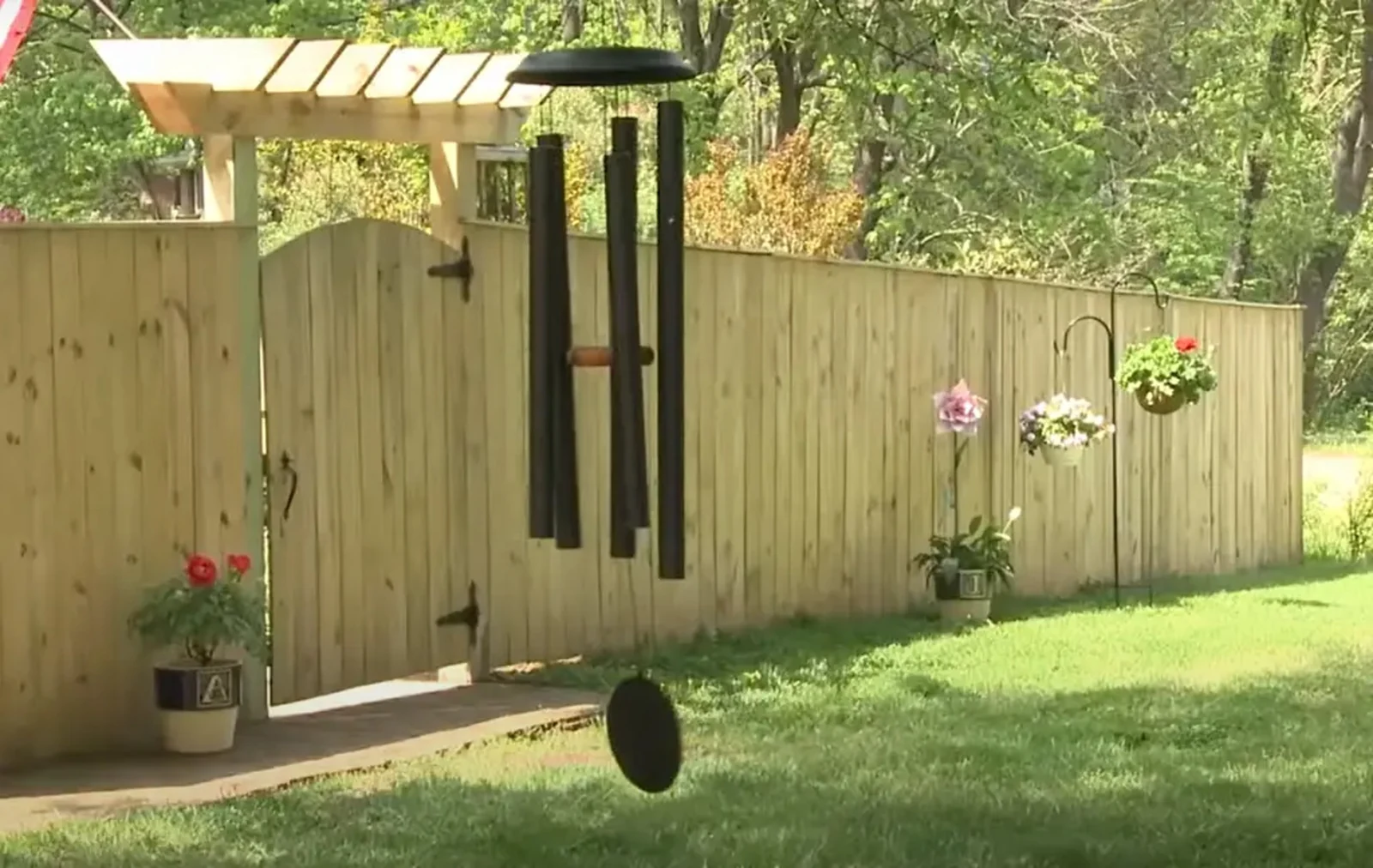
For weather-ready outdoor wind chimes that carry your own three-line blessing for years, our six-tube Listen to the Wind chime (28, 32, or 36 inches in Warm Antique Bronze, Matte Midnight Black, or Brushed Satin Silver, $52.95 to $84.95) pairs anodized aluminum tubes with deep two-sided laser engraving on the wind sail.
It ships in a protective die-cut molded-foam gift box with no prices inside, and you have a 4-hour window to fix any typo after ordering. If anything arrives damaged, a 30-day no-return-needed replacement covers it. Engraving takes 3 to 5 business days plus 8 to 12 business days for tracked US delivery (11 to 17 business days total; $6.95 shipping under $85, free standard US shipping on $85+). If the chime is a gift, a free Instant Digital Sympathy & Audio Preview eCard ($0) can reach the recipient right away.
Frequently Asked Questions
What is the difference between Tibetan Tingsha cymbals and a porch wind chime?
Tingsha are pairs of small, thick bronze discs linked by a leather strap or chain and struck together by hand for one bright note during indoor meditation. A porch wind chime hangs hollow metal or bamboo tubes around a central striker, with a wide sail below that lets outdoor breezes ring it on its own.
Can Tingsha bells ring on their own when hung in a garden?
Standard Tingsha cymbals stay quiet in a garden breeze because heavy bronze discs have no wind sail to catch moving air. Hung outdoors, the strap tends to twist or the discs rest flat against each other, and rain stiffens and cracks natural leather over time.
What does Lungta (Wind Horse) mean in Himalayan wind traditions?
Lungta (often written Lung ta) translates from Tibetan as “wind horse,” a symbol of turning bad fortune into good that appears on many five-color prayer flags. Families hang the cloths along breezy ridges and rooftops so passing wind spreads goodwill and compassion across the valley.
Is it respectful to use Tibetan symbols on a backyard wind chime?
Respect starts with keeping sacred and decorative objects separate. Leave ritual pieces such as a Ghanta on an indoor altar, keep any prayer flags off the ground, and choose a blessing in your own words rather than copying a mantra you cannot read onto a garden sail.
Which wind chime length creates the calmest sound for a meditation patio?
Medium 32-inch alto and 36-inch deep-tone tenor chimes give a warm, slow voice that blends into evening air without startling anyone nearby. On small balconies within 15 to 25 feet of a neighbor’s bedroom, a 30-inch bamboo chime under cover gives an even quieter wooden tap.
Conclusion
Sorting out Tibetan wind chimes gets easy once you separate hand-struck Tingsha cymbals and Ghanta bells from wind-rung porch chimes. Keep bronze meditation bells indoors where one clear strike marks quiet practice, shelter real wood parts beneath a dry roof overhang outdoors, and pair 32- to 36-inch aluminum or 30-inch bamboo tubes with a short blessing so every breeze feels restful.
Whether you mark five quiet minutes indoors with a bronze bell or listen to six warm tubes move in the evening air, may your corner of home always offer an unhurried breath. – Hannah Mercer, Bereavement Etiquette & Verse Curator
Verified Cultural, Historical & Maker References (3 Sources)
- Wikipedia Ritual Instrument Reference (citing Robert Beer, 2004): Tingsha (Tibetan Buddhist Prayer Cymbals) — https://en.wikipedia.org/wiki/Tingsha
- Wikipedia Himalayan Tradition Reference: Prayer Flag (Lung ta / Wind Horse Five-Element Tradition) — https://en.wikipedia.org/wiki/Prayer_flag
- Woodstock Percussion Product Specification: Woodstock Tibetan Prayer Chime (TPCBR) — https://chimes.com/products/tpcbr